

I ask you to believe nothing that you cannot verify for yourself.
G. I. Gurdjieff
Group meetings
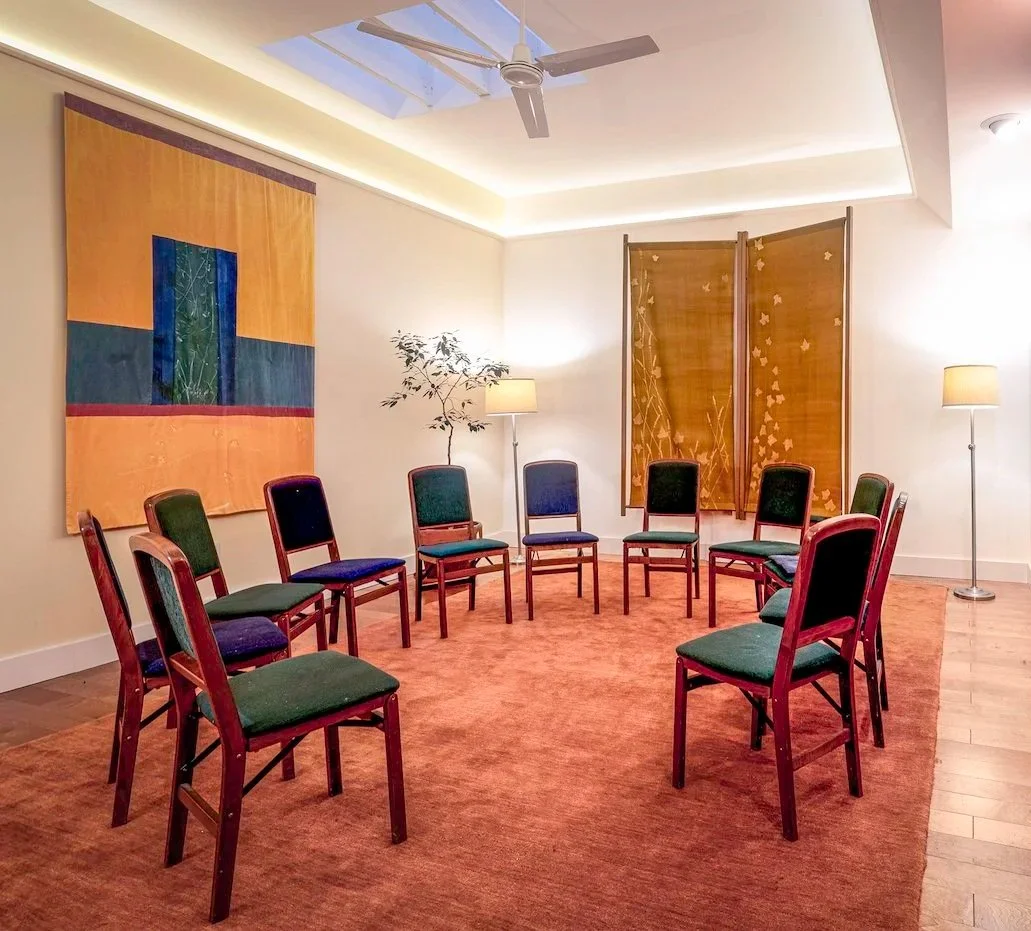
Groups of people at different levels of experience meet weekly at our house of work in San Francisco.
Of the many forms of practice of the Gurdjieff Work, group meetings play the most essential role in an individual’s self-study and development. Within an atmosphere of shared listening, members may receive enlightening help through sincere exchanges of their questions and discoveries.
If you have felt the truth of Gurdjieff’s indications of the necessity of working with others, you may wish to contact us seeking participation in a group.

“If we do not feel deeply the beauty of life and its challenge, then life has no sense at all.”
- Jeanne de Salzmann
Movements
Movements classes for people of different levels of experience are led by specially prepared instructors at our house of work in San Francisco.
The movements, also known as Sacred Dances, are an integral form of Gurdjieff’s teaching. A movements class is a laboratory in which we can have direct experience of Gurdjieff’s ideas about the nature of human beings as we are and as we may become.
Different movements show us different sides of ourselves. Gurdjieff brought us over two hundred different movements, including graceful dances, vigorous dervish exercises, quiet meditative rituals, and “multiplications” based on mathematical laws. Each movement is accompanied by music especially written for it.
Through participating in the attitudes, movements, and rhythms of Gurdjieff’s exercises in a class with others, we find ourselves in conditions in which our automatic habits are revealed at the same time as we encounter the possibility of levels of attention rarely encountered in everyday life. We may experience the truth of Gurdjieff’s assertion that one’s mind, body, and feeling are not related as they should be, and through such impressions, approach the possibility of inner harmony and intelligence of movement.
“How to live simply?
That is a big question. Let the answer come into the empty space that one must create in oneself.”
-Michel de Salzmann
Sitting meditation
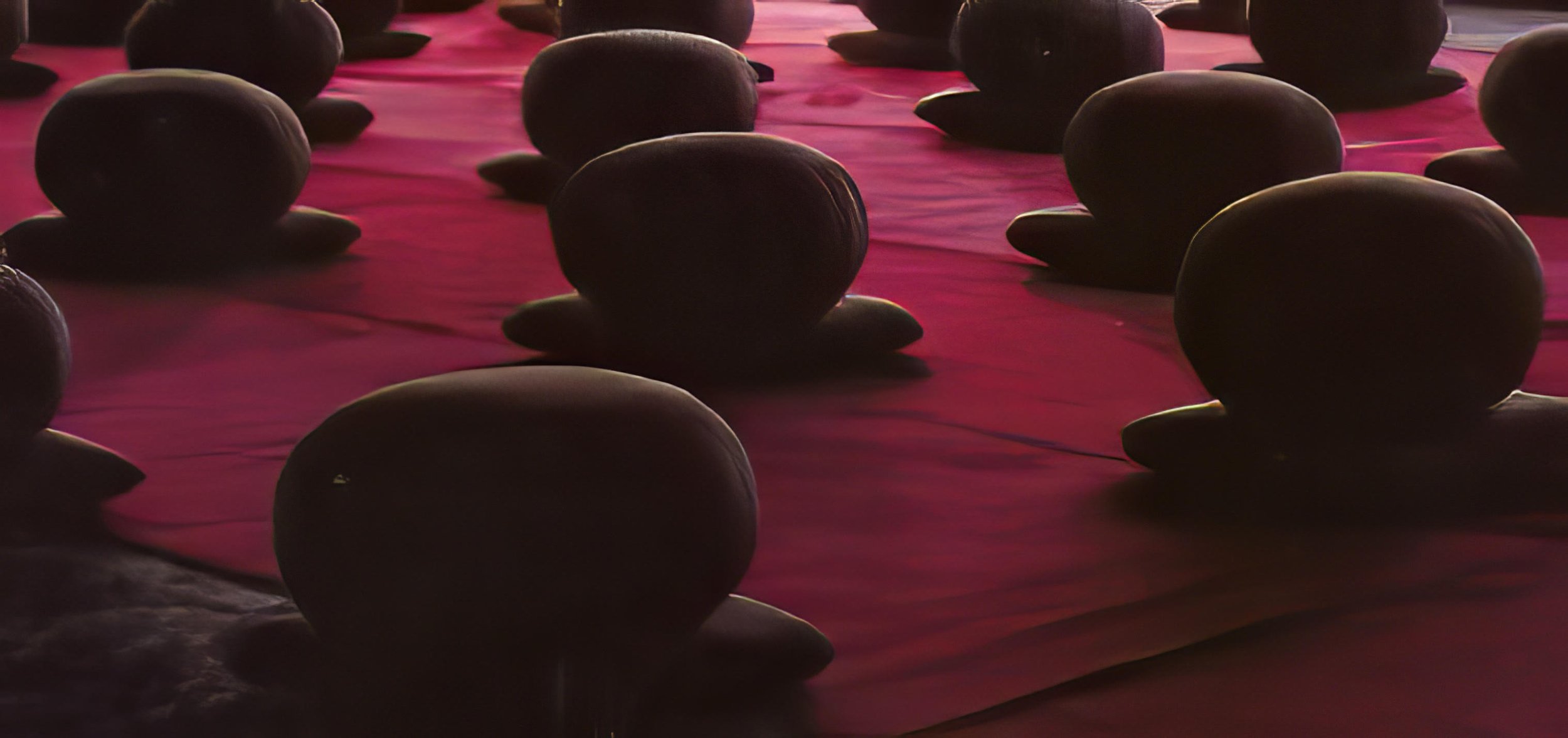
In shared silence, we are invited to turn toward the truth of ourselves.
Sitting with others in quiet conditions, we may discover an opening to new levels of inner vision. Our collective presence creates an atmosphere of sensitivity in which we can each experience for ourselves the special work of attention brought by Gurdjieff.
What we discover while sitting together informs our quiet work alone.

“A definitive characteristic of a living teaching or way is that it cannot be found in any book.”
-Michel de Salzmann
Practical work
One of the things that sets the Gurdjieff Work apart is that it is a work in life, a practice to be followed during our normal everyday activities.
But when we first attempt to study ourselves in the midst of ordinary life, we see the inadequacy of our attention and energy. To begin to understand how to put Gurdjieff’s ideas into practice, to approach real self-observation and self-remembering, we need to participate in special conditions with others who also wish to work on themselves.
Activities that take place in such conditions may include crafts, construction, gardening, writing, cooking, and other practical endeavors. These practical tasks are complemented and supported by sessions of quiet sittings, directions for self-study, help from experienced colleagues, and Gurdjieff’s movements. Such intentionally arranged days, weekends, or weeks are designed to bring the energy and mutual help essential for an authentic experience of inner work.
We are given the opportunity to work with a diverse group that we might never encounter in our daily lives. Emphasis is placed on learning to relax, being in touch with our bodies, strengthening attention, and seeing our habits of thought, feeling and posture. A defining difference of these periods is that their primary aim is not the results of the various activities, but rather transformational impressions of the truth of ourselves.

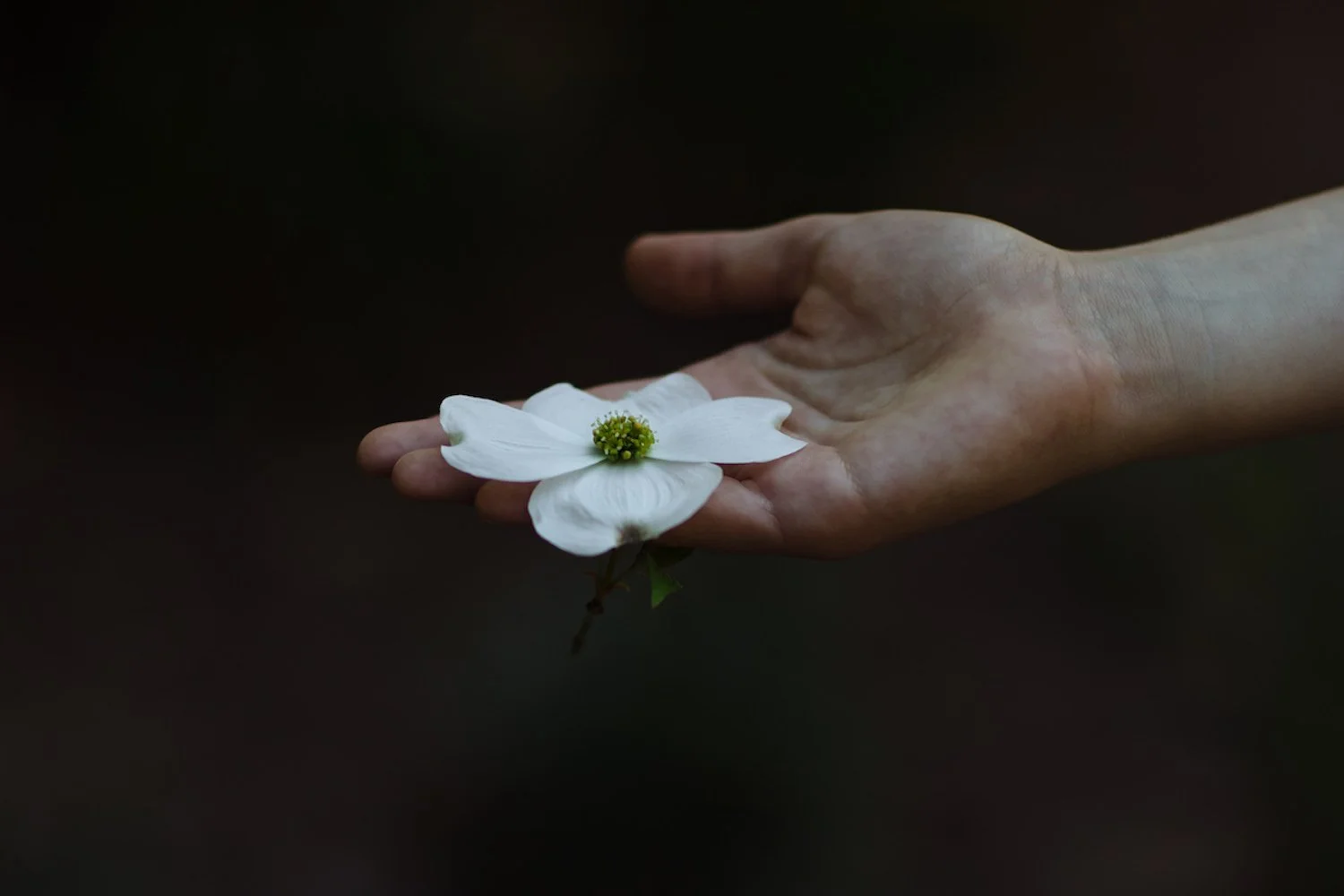
“I am the attention. Where my attention is, there am I.
If the attention is weak, I am weak, if it is mechanical, I am mechanical, if it is free, I am free.”
-Michel Conge
Study of ideas
In Beelzebub’s Tales to His Grandson, Gurdjieff describes an allegorical animal that serves as an emblem for an ancient spiritual community.
This composite monument is comprised of representations of key parts of the bodies of beings that symbolize attributes needed by every one of us who wishes to work on ourselves. One of these representations is a set of wings—the wings of the Eagle. These wings remind the members of the community of the necessity, while working on themselves, of contemplating great ideas not directly related to the affairs of everyday life, ideas about the structure of human beings, the scale of universal life, and objective laws.
Thus, an active study of Gurdjieff’s ideas is one of the pillars of our practice. Complementing group meetings, movements classes, and practical work, carefully formulated themes guide our study of the cosmological and psychological ideas. This endeavor begins with getting the ideas into our heads, a preparation that lays the necessary groundwork for our own direct experience of the ideas as we develop our own individual understanding.
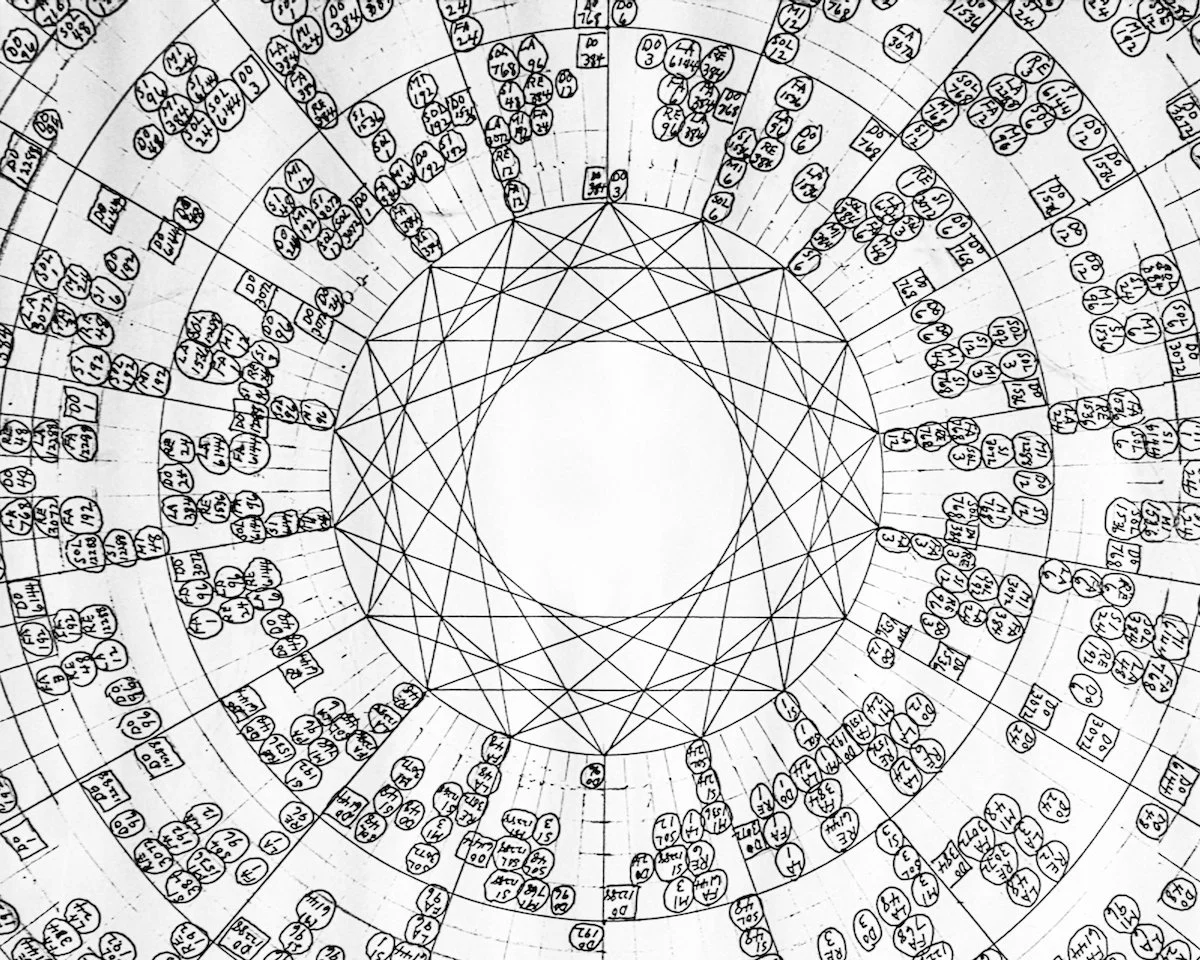

“The rigor of the Work is to be continuously listening, listening to another vibration while going about one’s everyday activities.”
-William Segal
Family work
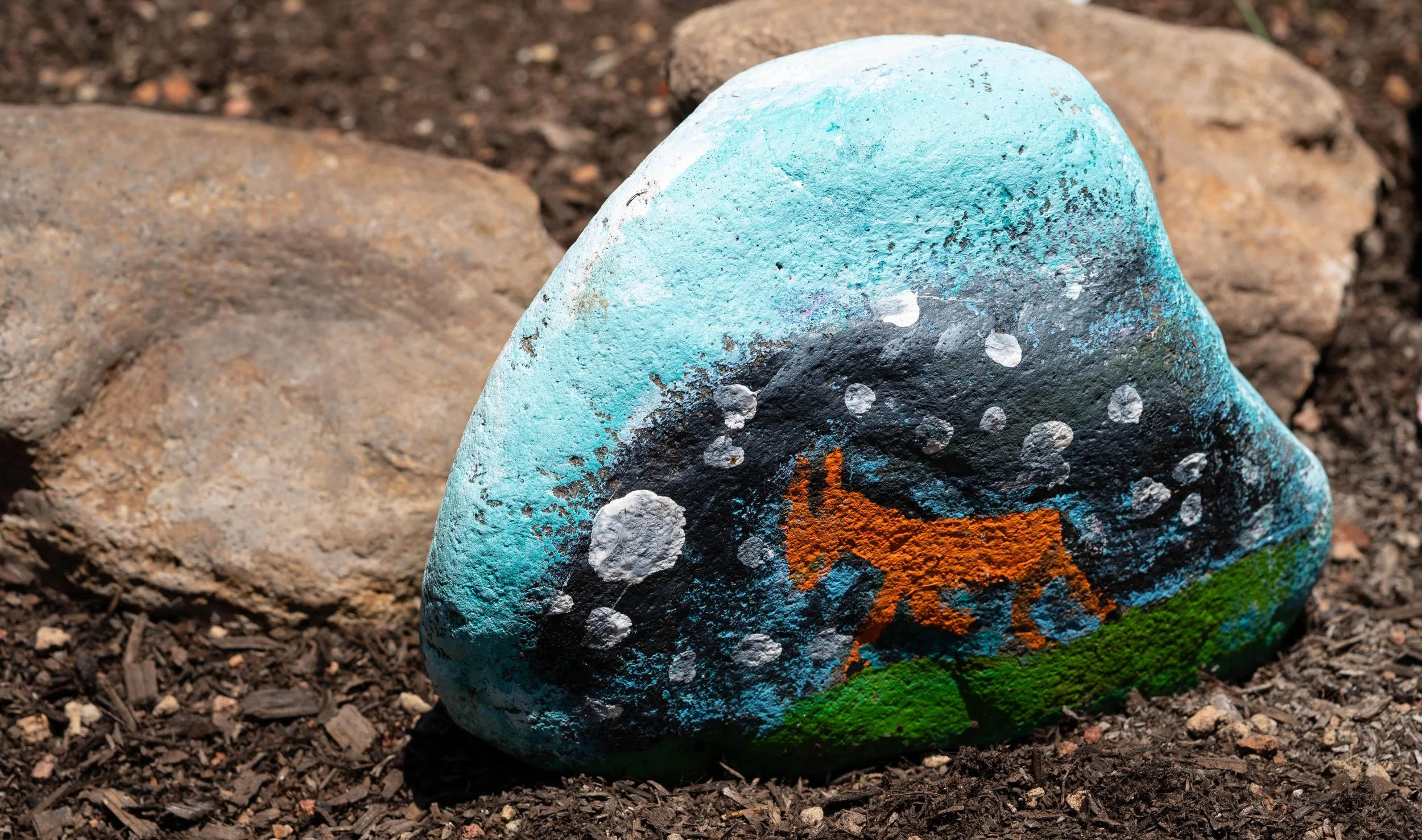
In our work with youth, we aim to create conditions in which children, parents, and community members can meet one another with attention and sincerity.
In these moments, young people offer a freshness, vitality, and natural attentiveness, while adults aim to bring intention, steadiness, and a wish to observe ourselves more clearly.
Activities may include cooking, building, outdoor projects, creative work, and the shared responsibilities that arise within community life. These tasks form a living condition in which youth and adults enter into a reciprocal relationship, discovering both the support and the challenges of working together.
“What do you wish in life?
Why are you on the Earth?”
-Jeanne de Salzmann
Music
The music of Gurdjieff constitutes a major influence within the life of the Foundation.
Our pianists play pieces specially written to accompany the Movements being studied in each class. Other works—songs, dances, Sayyids, and sacred hymns—are played at certain times for listening, touching the inner longing and giving glimpses of new understanding.
The following excerpts from an article by composer Laurence Rosenthal convey something of the intrinsic nature of Gurdjieff’s music.
Gurdjieff’s views on the subject of music, and indeed on art in general, stem from his differentiation between what he terms subjective and objective art. Most of the music we know, he says, is subjective. Only objective music is based on an exact knowledge of the mathematical laws that govern the vibration of sounds and the relationship of tones… What can we consider to be the purpose of Gurdjieff’s music? He offered… music as a way to awaken a sensitivity in the feelings, to arouse in the deeper level of the listener’s interior world questions and intimations beyond words.
… Gurdjieff’s association with the Russian composer Thomas de Hartmann cannot be overemphasized… We can divide the musical output of Gurdjieff/de Hartmann (apart from the music for Movements) into three general categories of which, in fact, the folk-derived pieces are only one, the simplest. Their tone, however, covers a wide range of feeling, sometimes inward and tranquil, sometimes full of charm and vitality, and in a few instances in major keys, highly charged with exhilaration. The second group includes chants and dances of the Dervishes and Sayyids. These are more subjective, personal, more deeply emotional… It is in the third category that Gurdjieff’s music establishes its unquestionable uniqueness. This is comprised of the sacred hymns and prayers.
Excerpts from “Gurdjieff and Music,” by Laurence Rosenthal, Gurdjieff International Review, Summer 1999, Copyright © 1996 Laurence Rosenthal.
To make contact
Phone: +1.415.647.8797
Email: info@gurdjieff-foundation-california.org or use the form
Affiliated Groups
International Association of the Gurdjieff Foundations (IAGF)